
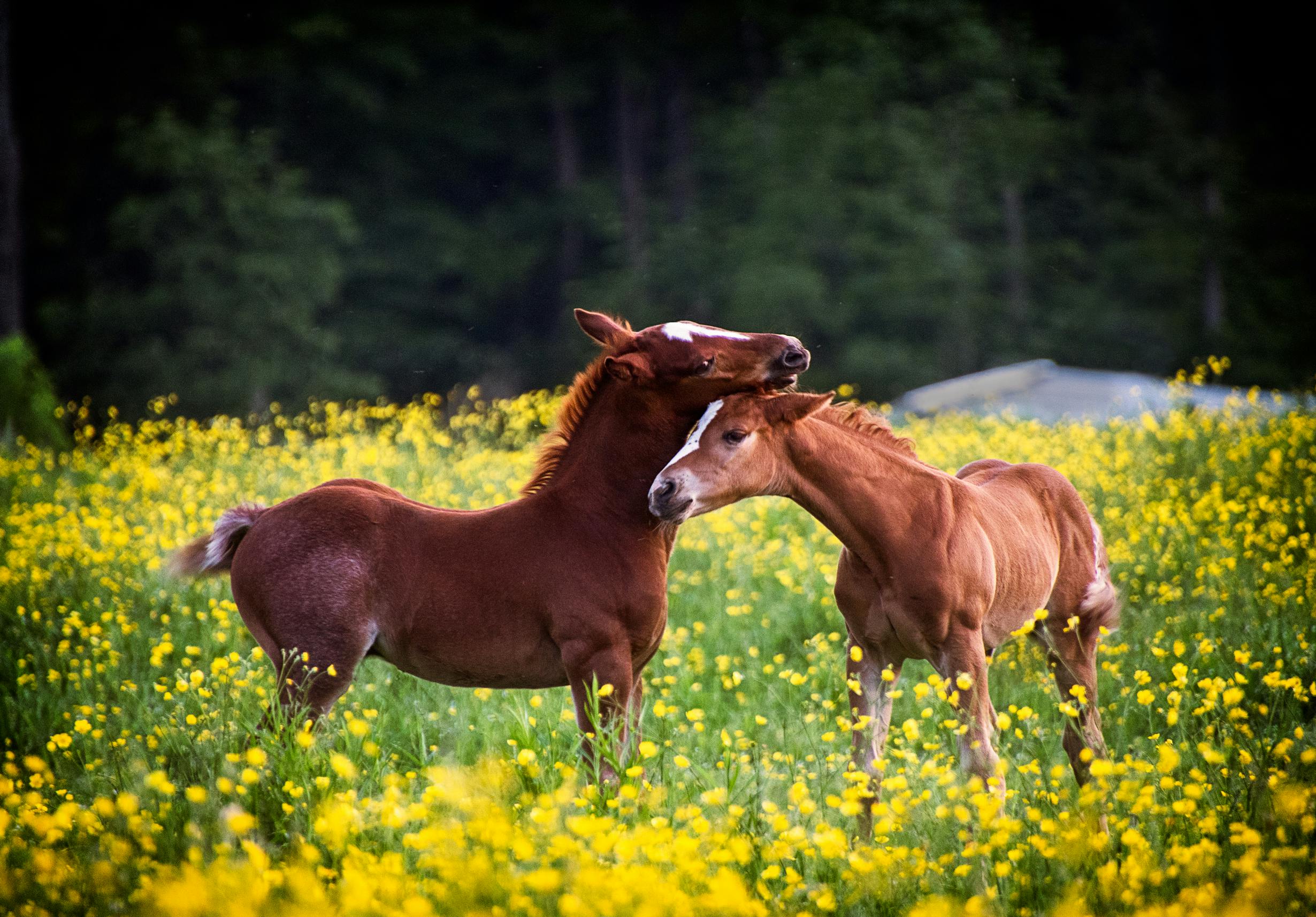
Owning a horse is one of the most genuinely rewarding things you can do.This guide covers everything you need to feel confident from day one.
Horse ownership comes with a rhythm that, once you find it, feels completely natural. The basics — a good health schedule, consistent hoof care, the right feed, and a daily grooming routine — aren't complicated once you understand the why behind them. Here's a practical walkthrough of everything that matters most in the first year.
🩺 Building Your Horse's Health Routine
Getting a good vet relationship established early is one of the best investments you can make. Your vet becomes a partner in your horse's care — someone who knows their history, can spot changes over time, and is your first call when something doesn't look right. A new horse deserves a full health check shortly after arriving, and then a predictable annual schedule from there.
💡 Annual Health Essentials
🔍 Annual Vet Exam: A full physical to assess overall health and body condition score, and to catch anything small before it becomes something bigger. Most issues are very manageable when found early.
🦷 Dental Floating — Every 6–12 Months: Horses develop sharp enamel points as their teeth wear unevenly. Regular floating keeps their mouth comfortable and their ability to chew — and absorb nutrition from feed — working properly. It makes a noticeable difference to condition and behaviour.
💉 Core Vaccines: Tetanus, Eastern & Western Equine Encephalomyelitis, West Nile Virus, and Rabies are the standard starting point. Your vet will tailor recommendations to your region — BC has its own specific considerations.
🪱 Targeted Deworming: A program based on fecal egg counts is more effective than a blanket calendar schedule, and helps preserve the effectiveness of dewormers long-term. Your vet can walk you through setting this up.
🫏 Hoof Care: Your Farrier Is a Key Partner
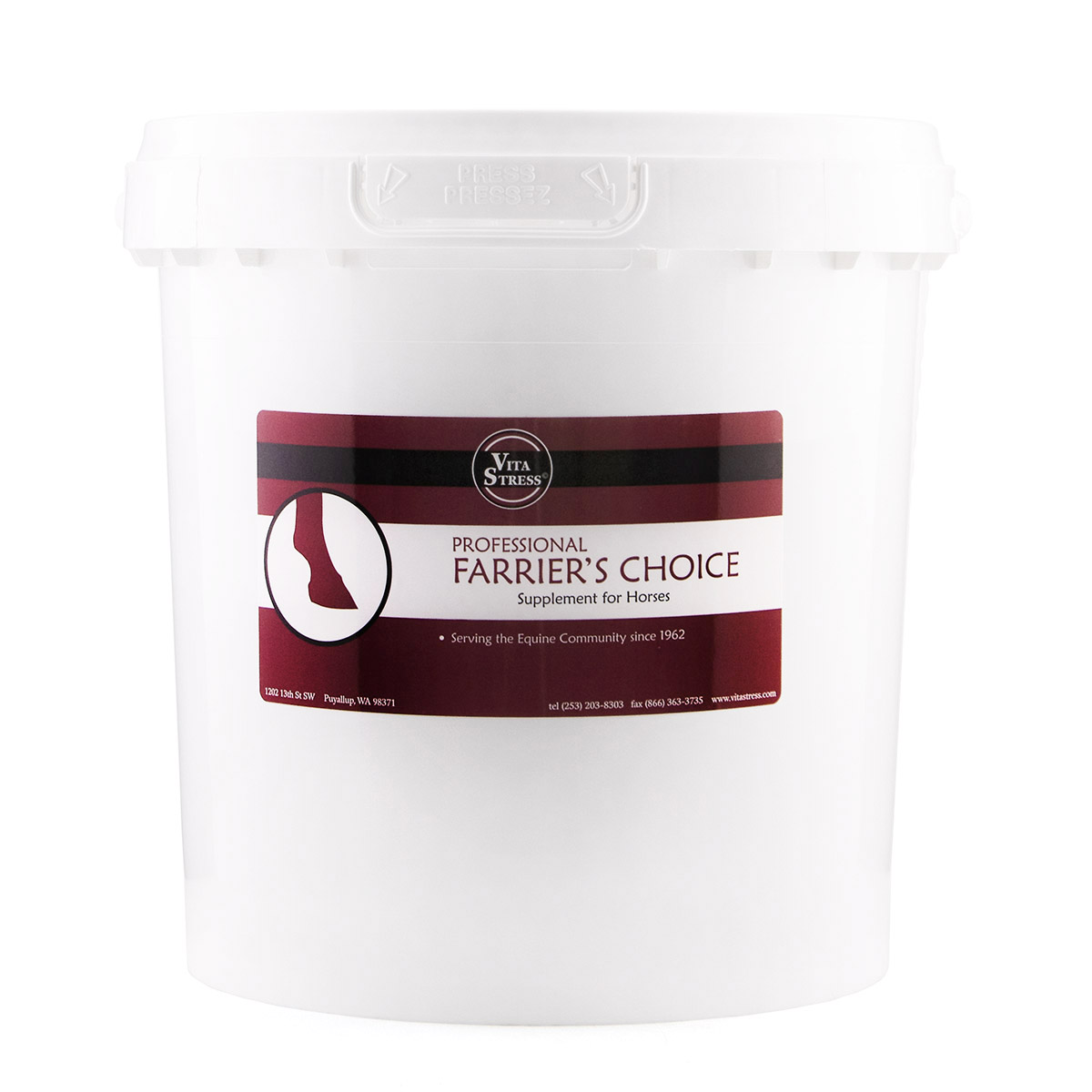
There's an old saying in horse circles: no hoof, no horse. A horse's comfort, movement, and soundness all begin with four healthy feet. Your farrier should become one of the most important people in your horse's life — plan for a visit every 6–8 weeks, whether your horse is shod or barefoot. Between visits, a quick daily pick-out takes about 60 seconds and keeps you closely in tune with how each foot is doing.
🪣 Daily Hoof Picks
Clear out debris and take a moment to check for thrush — a bacterial infection that affects the frog and is very easy to treat when caught early. You'll quickly learn what each foot looks and smells like normally.
👷 Finding a Good Farrier
Ask your vet for a recommendation — farriers and vets who know each other well work as a team for your horse's benefit. Good farriers book out quickly, so it's worth getting on a schedule before you need one urgently.
👀 Watching How They Move
Getting familiar with your horse's normal movement makes it easier to notice subtle changes. Any reluctance to move, change in gait, or heat in a limb is worth a call to your vet — early attention usually means straightforward solutions.
🌾 Feeding: Working With How Horses Are Built
Horses evolved as trickle grazers — they're designed to move slowly and eat almost constantly throughout the day. Their digestive systems are happiest with a steady supply of forage, consistent routines, and gradual change. Understanding this makes feeding decisions intuitive rather than complicated.
- Forage is the foundation: Quality hay or pasture should make up the core of the diet — around 1.5–2% of body weight daily. Everything else builds from there.
- Concentrates based on workload: Grain and pellets are useful when energy demands are high, but a horse in light work or rest often does very well on hay alone. Your vet can help you dial in the right balance.
- Transition feeds gradually: Changing hay sources, introducing new feeds, or switching pastures works best spread over 7–14 days. A slow transition keeps the gut microbiome stable and happy.
- Fresh water always available: Horses drink up to 60 litres daily. In winter, a heated trough or regular checking of ice build-up encourages them to drink well — good hydration is one of the best things you can do for digestive health.
⚠️ Recognising Colic — Always Call Your Vet
Colic is the term for abdominal discomfort in horses and ranges from mild to serious. Learning to recognise the signs means you can act quickly and confidently:
- Pawing at the ground, looking at or biting at the flank
- Lying down and getting up repeatedly, or rolling
- Reduced or absent gut sounds
- Not interested in food or water, sweating without exertion
If you see these signs, call your vet straight away rather than waiting to see if it passes. Most colic responds well to prompt treatment.
🪮 Daily Grooming: Your Best Bonding Tool
Grooming is one of the real pleasures of horse ownership — and one of the most practical. Running your hands and brushes over your horse every day means you notice cuts, swelling, skin changes, and weight shifts as they happen rather than weeks later. It builds trust, keeps the coat healthy, and is genuinely something most horses enjoy, especially the curry comb stage.
A good basic kit covers everything you need:
🖌️ Brushes
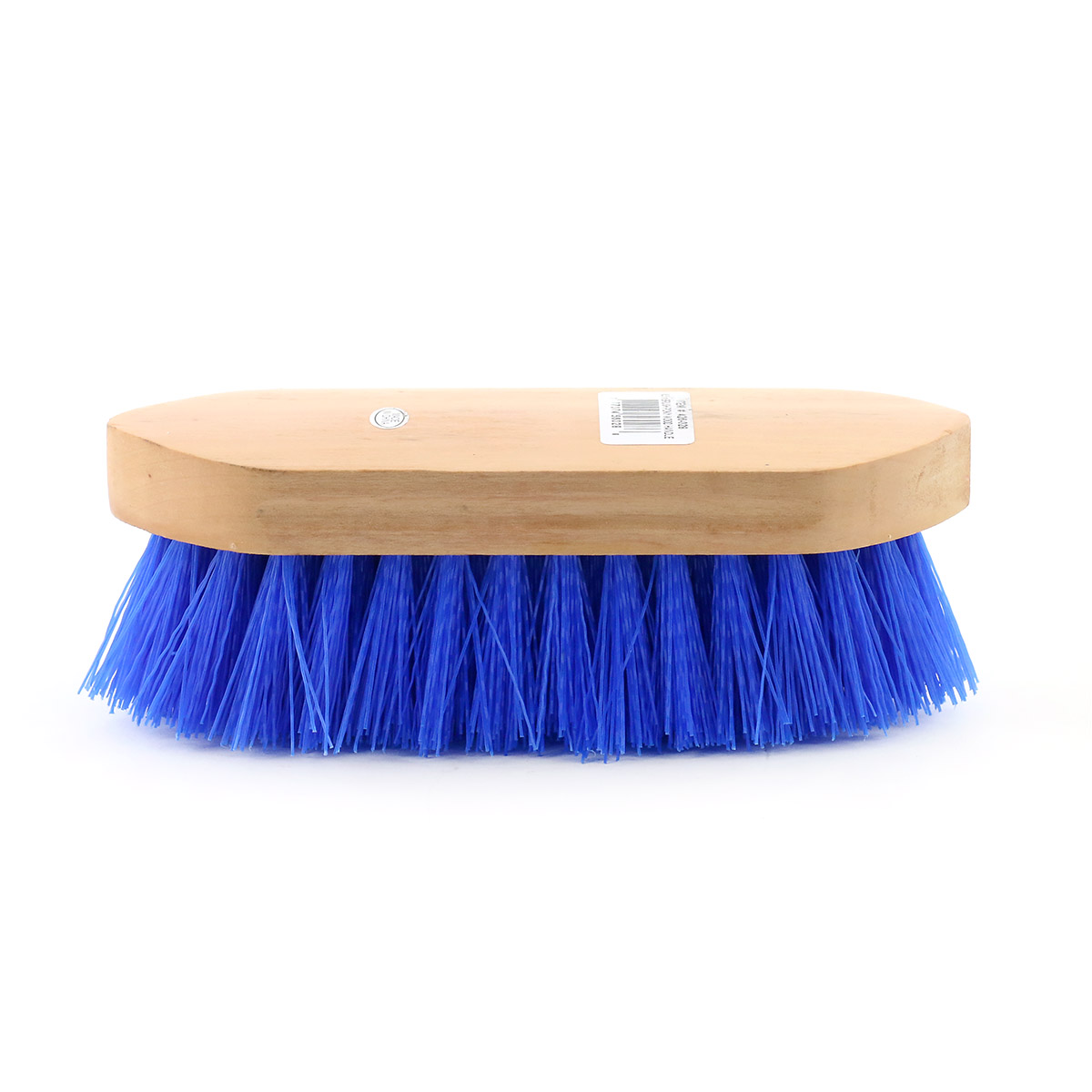
A stiff dandy brush lifts dried mud and surface dirt; a soft body brush polishes the coat and is gentle enough for the face; a mane and tail comb keeps things tangle-free. Work from front to back, following the direction of the coat.
🧤 Curry Comb
Used in circular motions before brushing, the curry comb loosens dead hair and brings dirt to the surface. Most horses visibly lean into this. It's also a lovely way to build a relaxed, positive relationship with a new horse.
🪣 Hoof Pick
Used every day, before and after riding. Pick out all four feet, check the frog and heel bulbs, and apply hoof conditioner in very dry or very wet conditions. Sixty seconds per foot keeps hooves healthy between farrier visits.
🎽 Equipment to Have Ready Before Day One
A short list of things you'll want on hand from the first day — nothing complicated, but having the right gear ready makes early handling smooth and enjoyable.
💡 New Horse Equipment Checklist
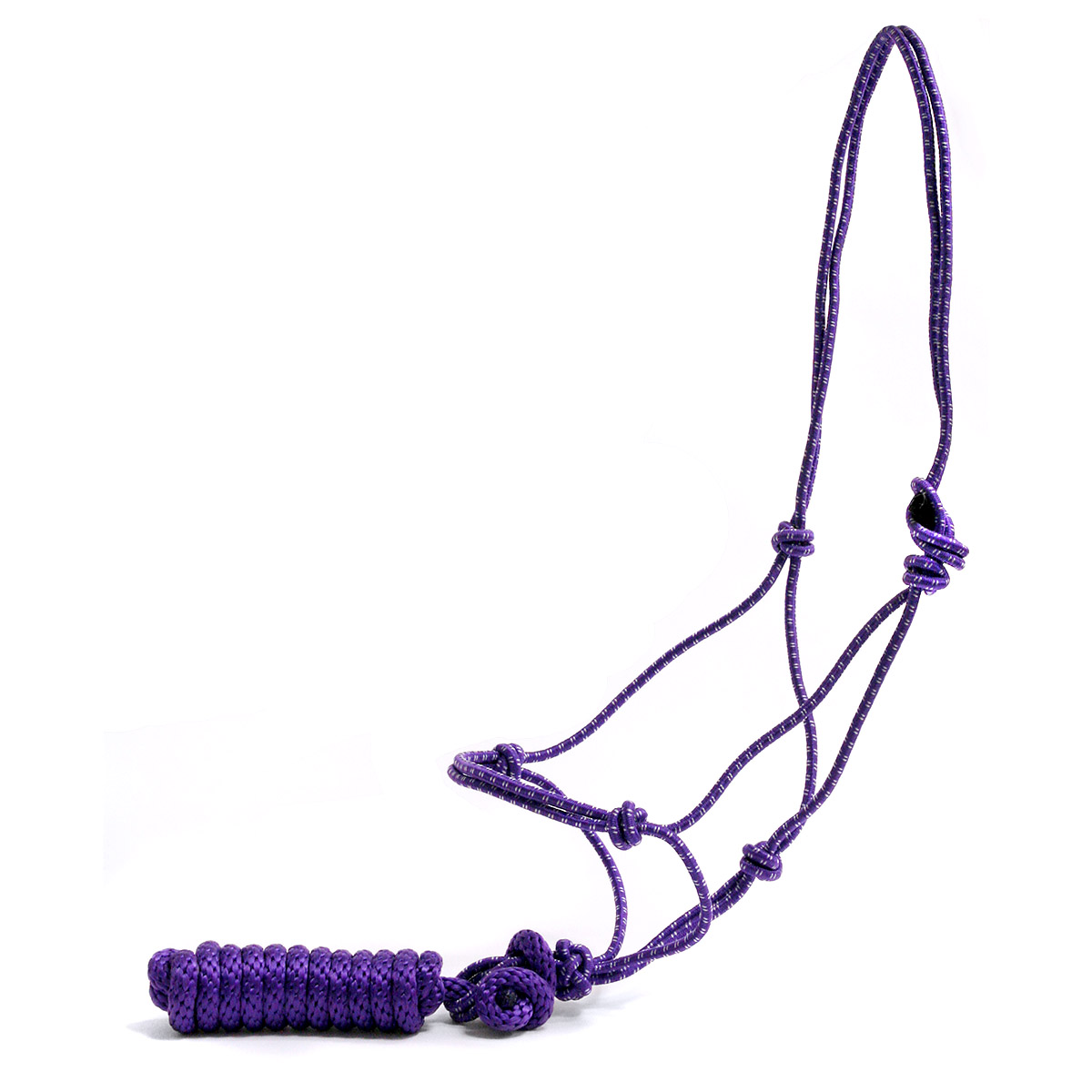
🔗 Halter & Lead Rope: Your primary daily handling tool. Two fingers should fit comfortably under every strap. A leather or breakaway halter is a good choice — these are designed to release under pressure, which is an important safety feature for a horse left in a paddock.
🪣 Buckets: Dedicated water and feed buckets, rinsed daily. Heavy rubber buckets are more durable and harder to tip than lighter plastic ones. Horses appreciate clean water — it makes a real difference to how much they drink.
🧴 Basic First Aid Kit: Wound wash, antiseptic spray, bandaging materials, a thermometer, and your vet's number. Horses are inventive about finding ways to scrape themselves, and having supplies on hand means you can respond calmly and promptly.
🌧️ Rugs & Blankets: Whether your horse needs a rug depends on their breed, whether they're clipped, their shelter, and the local climate. A clipped horse or fine-skinned breed in a wet BC winter will benefit from waterproof turnout coverage. An unclipped native breed with solid shelter often does perfectly well without one. Your vet or a local horse-person is the best guide for your specific situation.
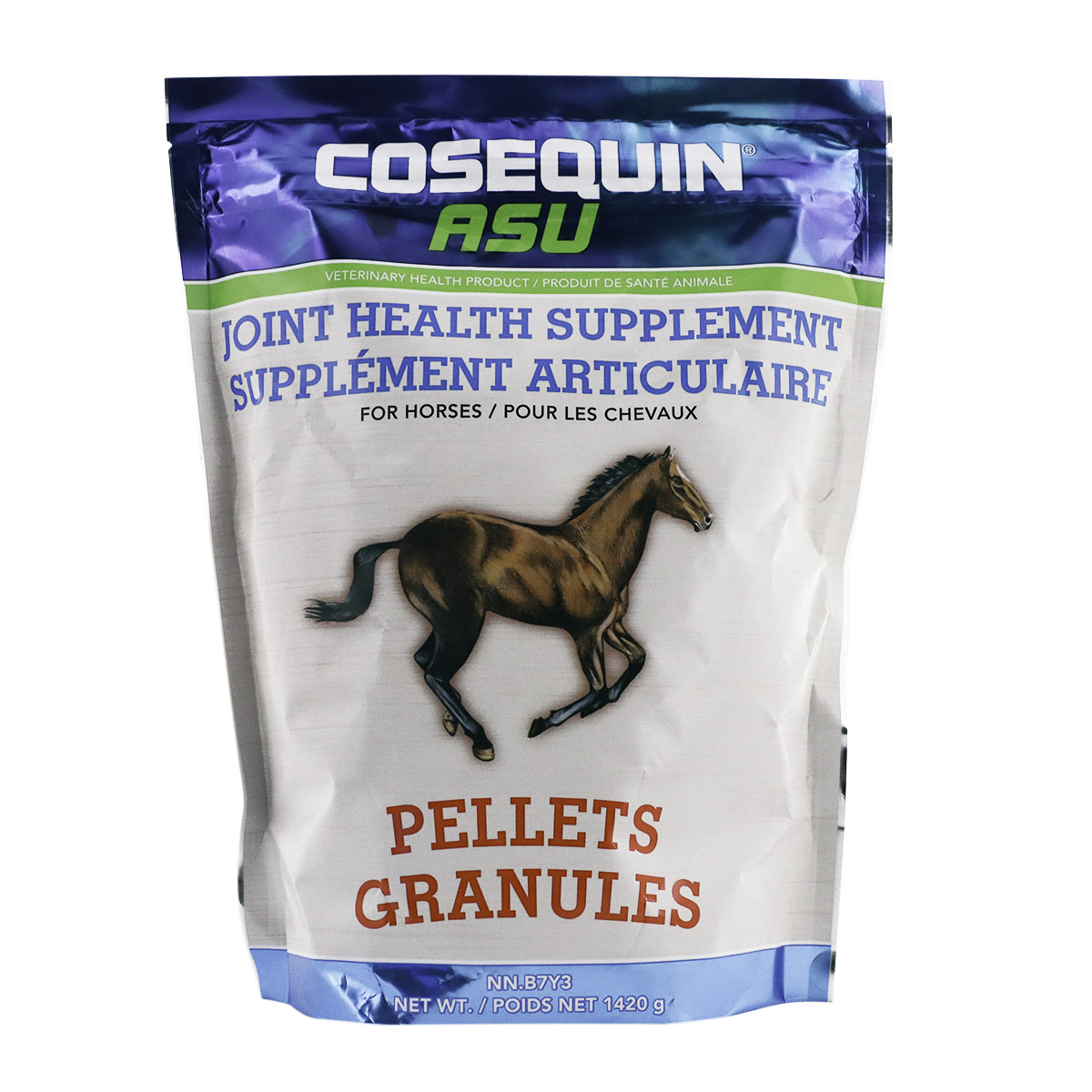
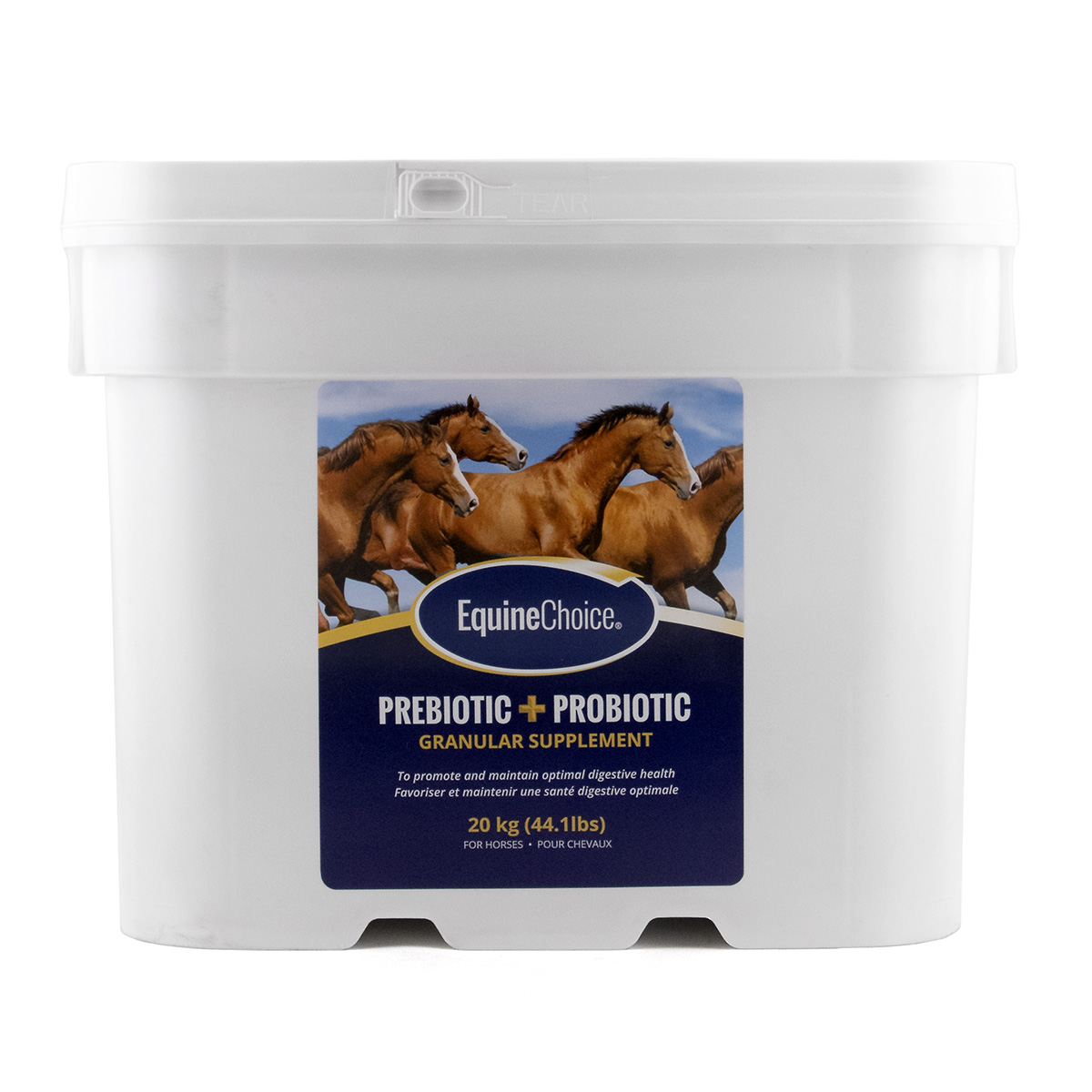
When your horse first arrives, give them a few days to settle before asking much of them. Changes in hay, water, herd dynamics, and environment all land at once, and horses feel this acutely. A digestive supplement during the first few weeks supports gut health through the transition and helps ease the digestive sensitivity that often comes with a change of property.
Takeaway: A good vet, a reliable farrier, consistent forage, daily grooming, and the right basic gear — once these are in place, horse ownership settles into a rhythm that's deeply enjoyable. We're always here to help you find your feet.

Cascade Veterinary Hospital
Client centered & community minded — Princeton, BC
Mon–Fri 9AM–5PM | 250-295-0312 | webstore@cascadevethospital.ca
Visit Our Webstore