
Ever felt your cat's tongue? Those tiny backward-facing hooks aren't just for grooming fur—they're actually doing something amazing for your cat's dental health that you've probably never noticed.
Those hooks are called papillae, and each one is hollow like a tiny scoop. When your cat grooms, they're not just cleaning their coat. They're pumping saliva all around their mouth, massaging their gums, and scraping away plaque buildup before it becomes a problem. It's like having a built-in toothbrush and dental massage system all in one.
How the System Works
Here's what's happening every time your cat grooms:
- Saliva Distribution: Each lick spreads antibacterial saliva across teeth and gums.
- Gum Massage: The tongue's motion stimulates healthy blood flow to keep gums strong.
- Plaque Removal: The scraping action clears soft plaque before it hardens into tartar.
- Hair Collection: Those same papillae trap loose fur during grooming, which is why hairballs happen—it's actually part of this whole system.
Pretty impressive for something they do naturally, right? But here's the catch: all that hair they're swallowing can create digestive issues if not managed properly.
Why Modern Cats Still Need Help
So if cats have this amazing built-in system, why do they still get dental problems? It comes down to what they're eating. Modern diets, while nutritionally complete, often don't provide the mechanical chewing action that helps trigger their natural cleaning system.
Modern wet food is nutritionally complete, but it often requires almost no chewing. It can actually coat the teeth without activating that natural self-cleaning response. Add to that the fact that cats with dental pain groom less effectively, and you've got a cycle where poor dental health leads to less cleaning, which leads to even worse dental health.
You can help by adding textures that encourage real chewing. Dental treats with ridged surfaces and dental kibbles designed to resist shattering support their natural cleaning system. And for the hairball side of grooming? Specialized diets with added fiber help move that swallowed fur through their digestive system more smoothly, supporting both ends of their grooming routine.
Takeaway: Your cat's grooming ritual is doing more than keeping them looking good—it's a sophisticated dental health system that also explains those hairballs. Support both with the right products.
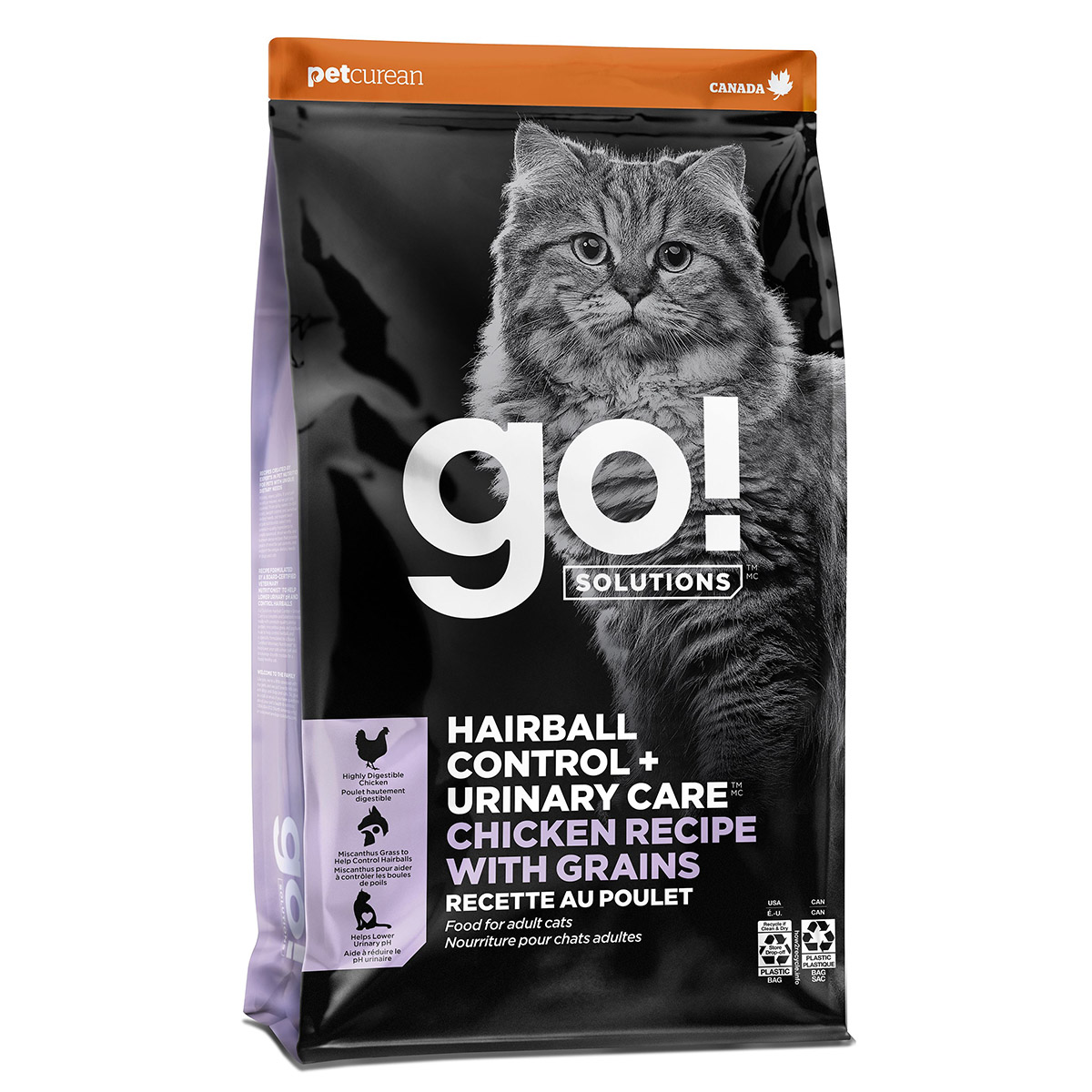 Hairball Control DietsShop Now | 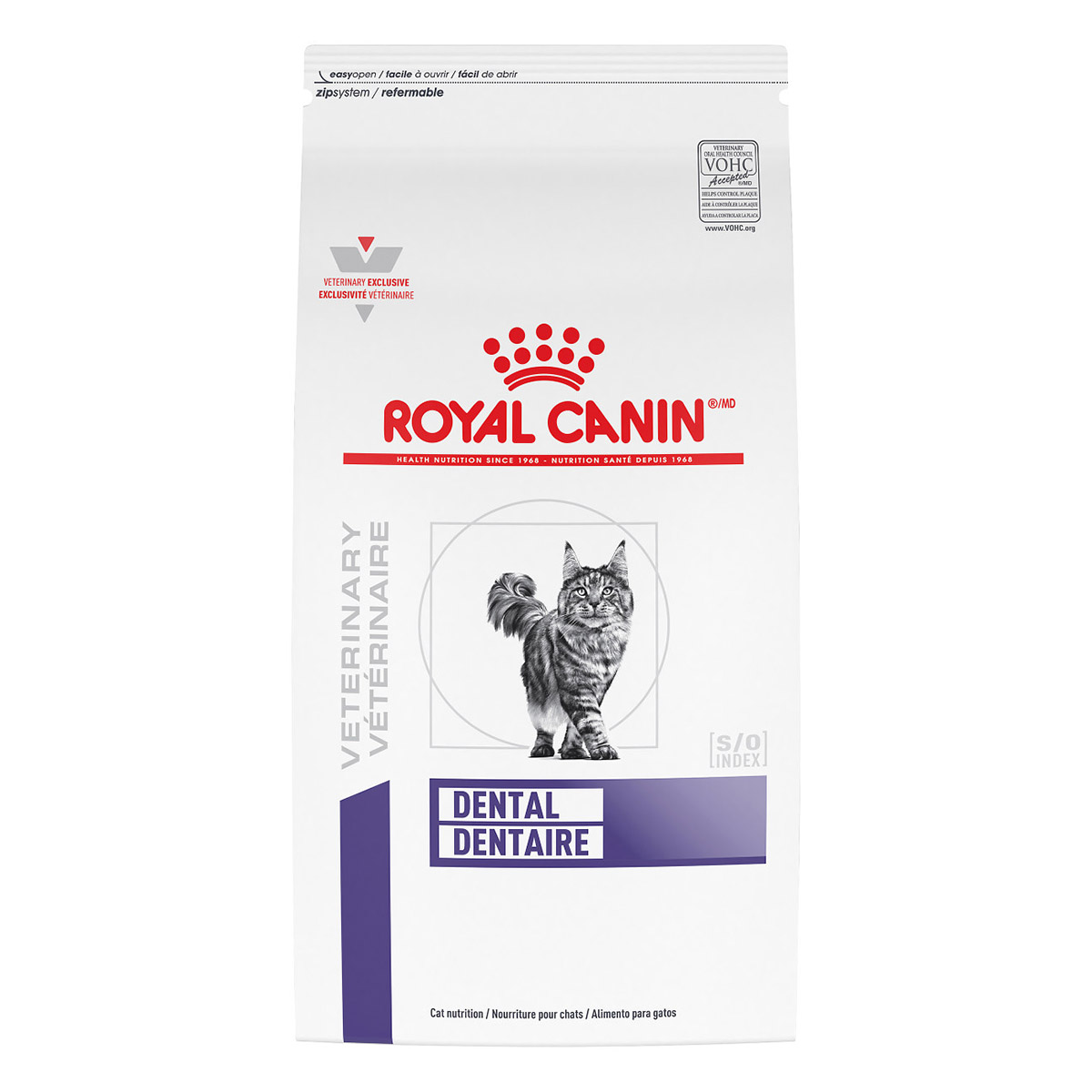 Cat Dental Diet FoodShop Now | 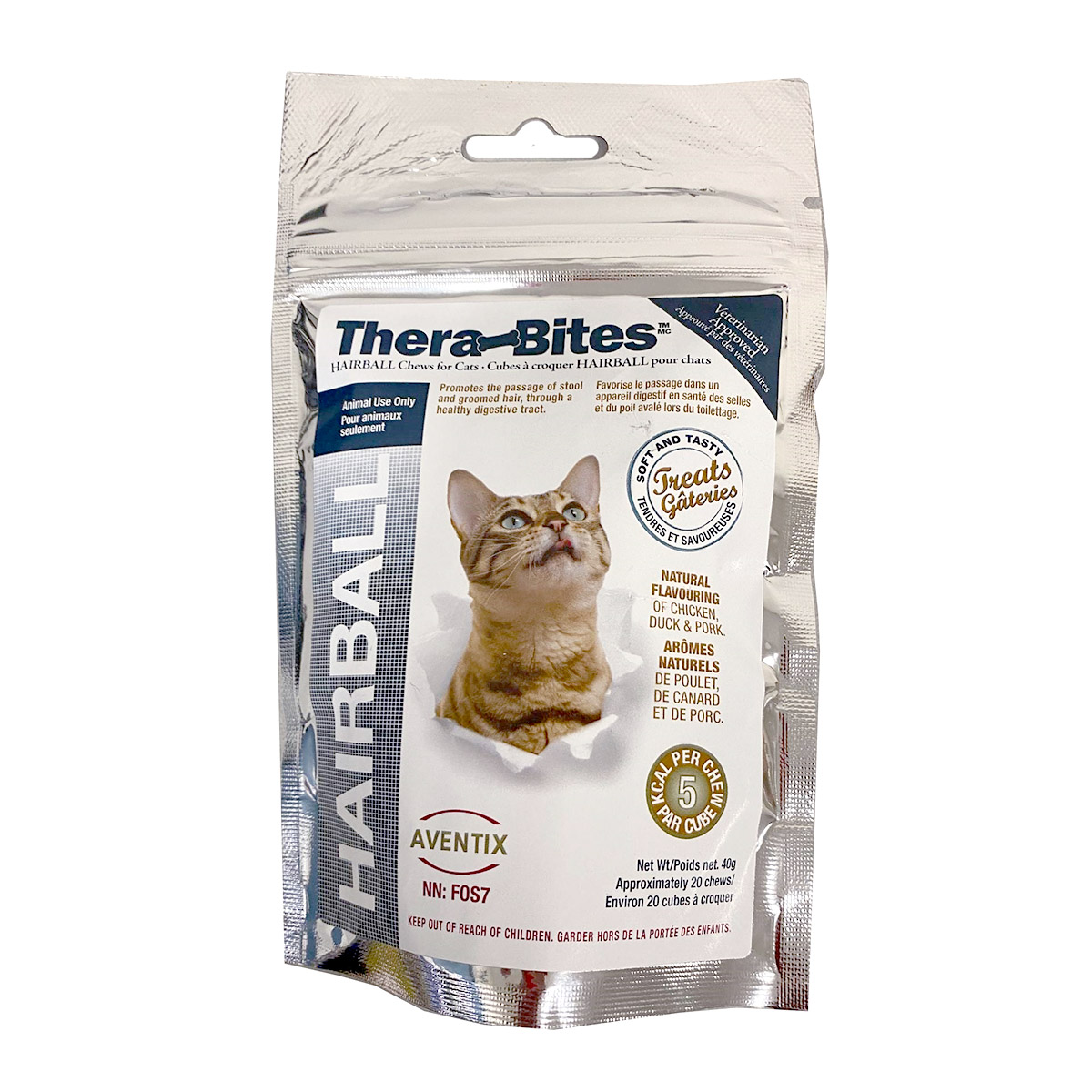 Hairball PreventativesShop Now | 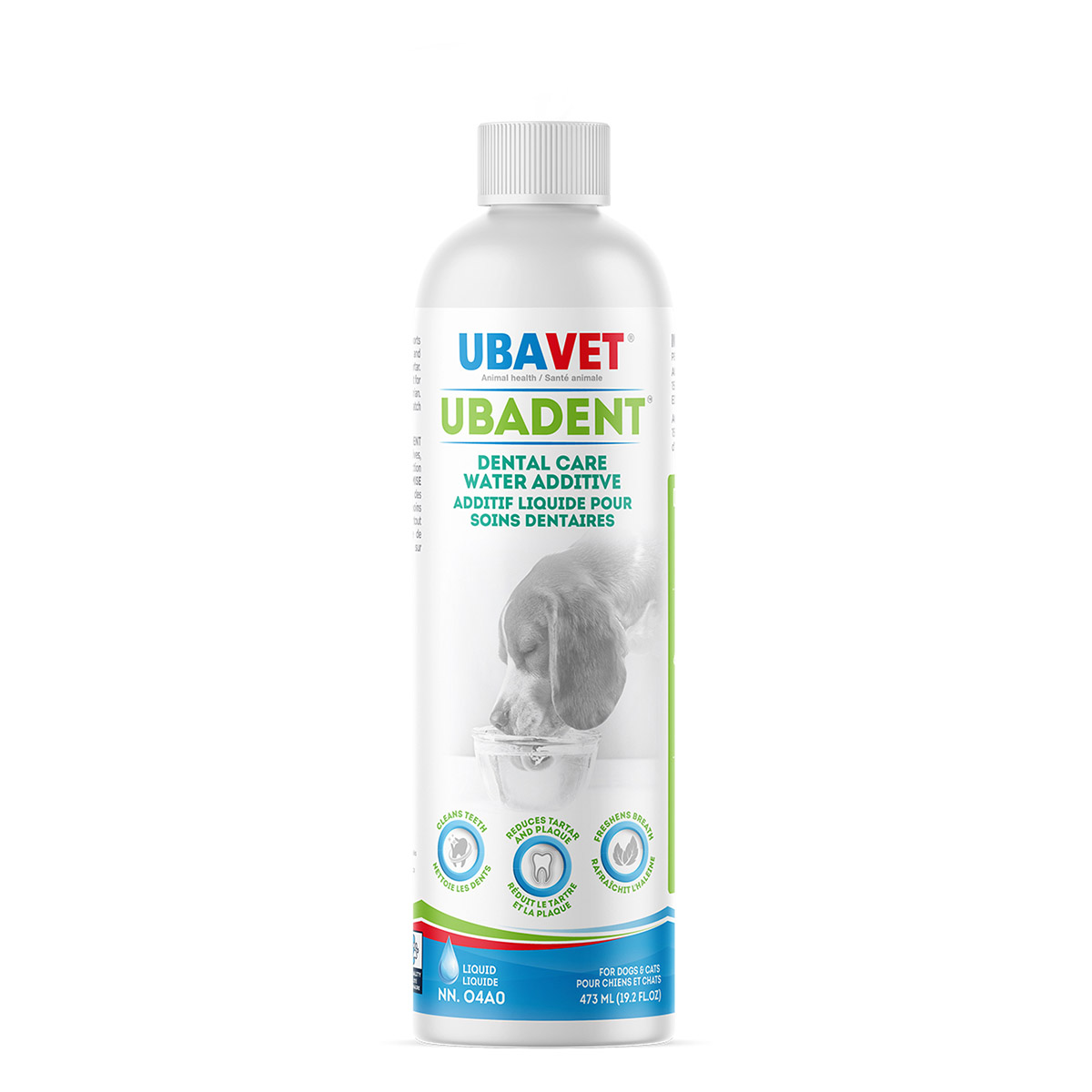 Ubavet Dental Water AdditiveShop Now |