Your dog's cooling system works almost nothing like yours. And that design difference is exactly why summer heat can turn dangerous so fast— even on days that don't feel that extreme to you.
When you get hot, you sweat across your entire body. As that moisture evaporates, it pulls heat away from your skin and cools you down efficiently. Your dog? They only sweat through their paw pads—a tiny fraction of their body surface. Their primary cooling mechanism is panting, which moves air over the moist surfaces of their mouth and airways to release heat. It works reasonably well—until it doesn't.
When Panting Stops Working
Panting relies on evaporation—the same principle as sweating. But when the air is humid, evaporation slows way down. This is why a 26°C day with high humidity can be significantly more dangerous for your dog than a dry 30°C day. The air around them is already saturated with moisture, and panting becomes much less effective at releasing heat.
Add to that the fact that dogs can't tell you when they're struggling, and that many dogs are highly motivated—they'll keep fetching, running, or hiking right up until their body starts to fail. By the time you notice the warning signs, the situation can already be serious.
☀️ What You Need to Know: The Heat Numbers
🌡️ Normal body temperature: Dogs run between 38–39.2°C. Heat stroke begins when their temperature climbs above 40°C—a difference of less than two degrees.
⏱️ How fast it happens: On a 29°C day, the inside of a parked car can reach 50°C in under 20 minutes. But cars aren't the only risk—sustained activity on any hot ground surface can be just as dangerous.
🐾 The ground surface problem: Air temperature and ground temperature are not the same thing. When it's 25°C outside, asphalt, concrete, sand, and even packed dirt in direct sun can reach 52°C or higher—hot enough to cause burns and accelerate overheating through the paws. Shaded grass stays significantly cooler and is always the safer option.
✅ The good news: Heat stroke is almost entirely preventable. Understanding the warning signs and having a simple summer plan makes a huge difference.
The Warning Signs (In Order)
Heat-related illness moves through stages—and catching it early is everything. Here's what to watch for:
🚨 Act Immediately
- Collapse or inability to stand
- Vomiting or diarrhea
- Glazed or unfocused eyes
- Seizures or muscle tremors
- Bright red or pale gums
Move to a cool area, apply cool (not ice cold) water to paw pads, groin, and armpits, and get to your vet immediately.
⚠️ Early Warning Signs
- Excessive or very heavy panting
- Drooling more than usual
- Slowing down or lagging behind
- Seeking shade or lying down repeatedly
- Paws feeling unusually warm
Stop activity immediately, move to shade or AC, offer water, and begin gentle cooling.
How to Cool a Dog Safely
This part matters: the instinct to use ice or ice-cold water can actually backfire. Cold water causes blood vessels near the skin to constrict, which traps heat inside the body rather than releasing it. Use cool water instead—not cold—and focus on high blood-flow areas where cooling happens fastest.
✅ The Right Way to Cool an Overheated Dog
Move first: Get them out of the sun and heat immediately—into air conditioning if possible.
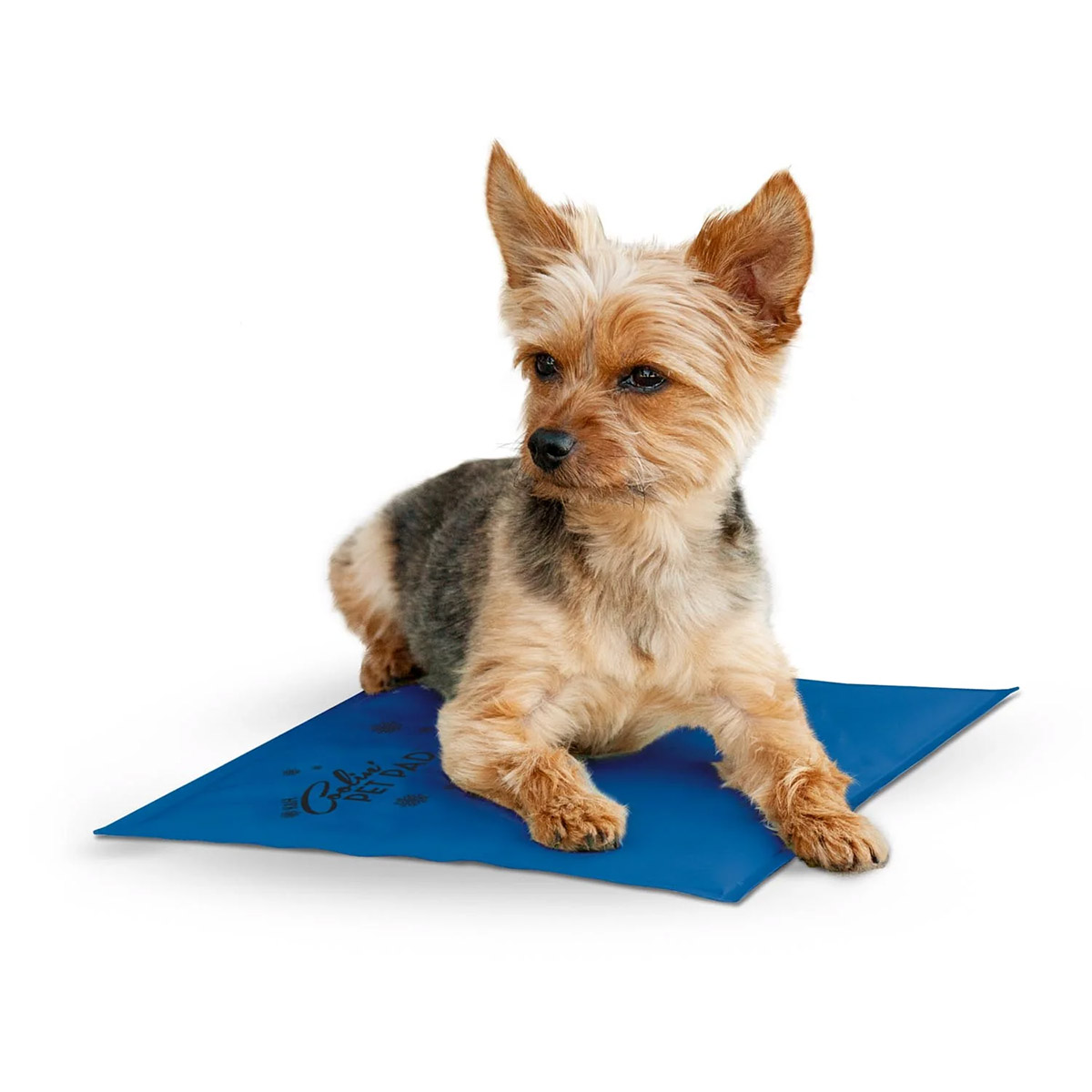
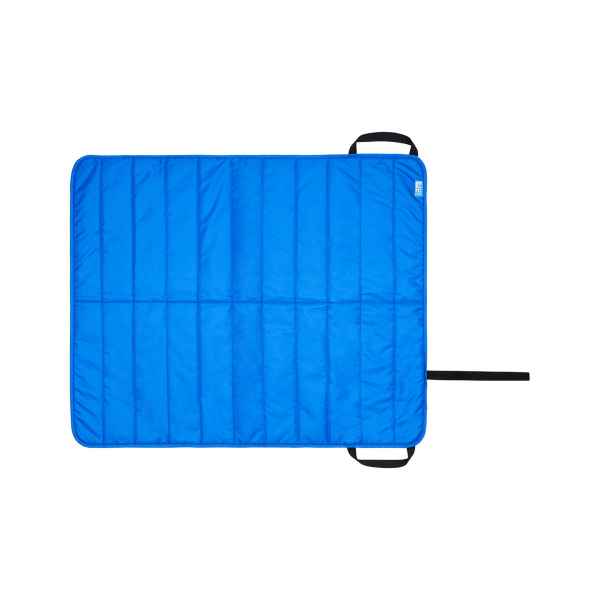
Cool water, not ice: Apply cool water to the paw pads, inner thighs, armpits, and neck. A cooling mat or damp towel works well for this.
Create airflow: A fan combined with damp fur accelerates cooling significantly—the same evaporation principle that human sweating uses.
Offer water freely: Let them drink at their own pace, but don't force it.
Call your vet: Even if your dog seems to recover quickly, internal effects of heat stress may not be visible. A check-in call is always worth it.
Prevention: The May Window
May is actually the ideal time to build your summer routine—before the real heat arrives. A few simple habits established now make the whole season much easier:
🕖 Shift your walk times: Move walks to before 8am or after 7pm as temperatures rise. The difference in ground surface temperature alone is dramatic—asphalt, concrete, and sand all hold heat long after the air has cooled.
🐾 The ground surface hand test: Press the back of your hand to the ground—pavement, concrete, sand, or dirt—for 7 seconds. If you can't hold it there comfortably, it's too hot for your dog's paws. When in doubt, stick to shaded grass.
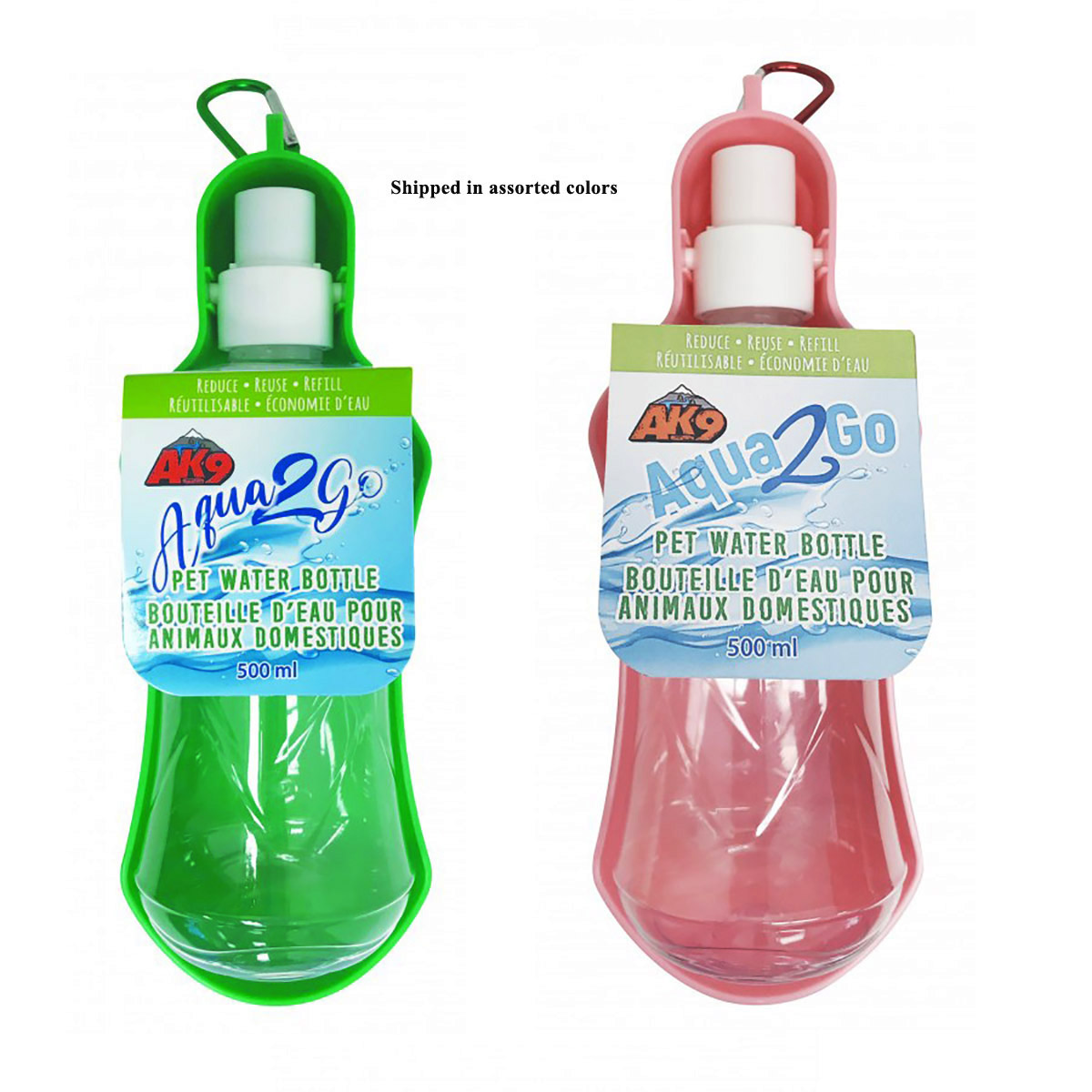
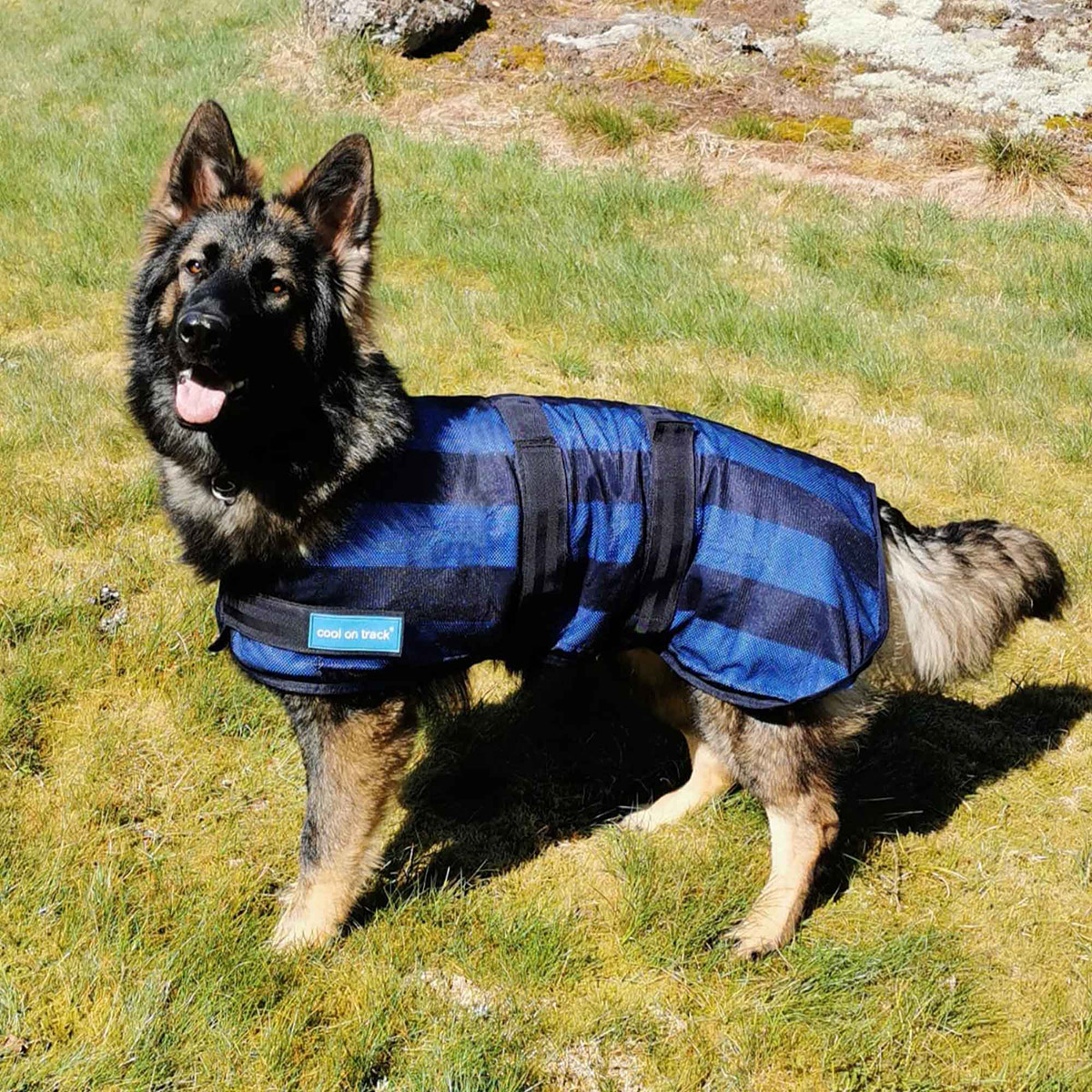
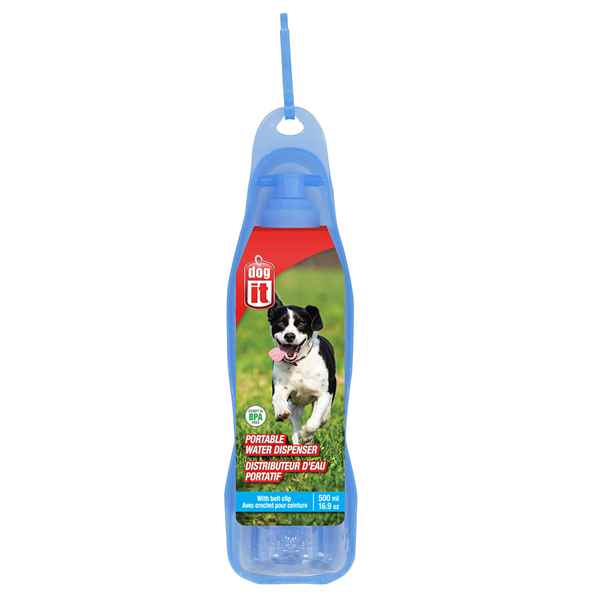
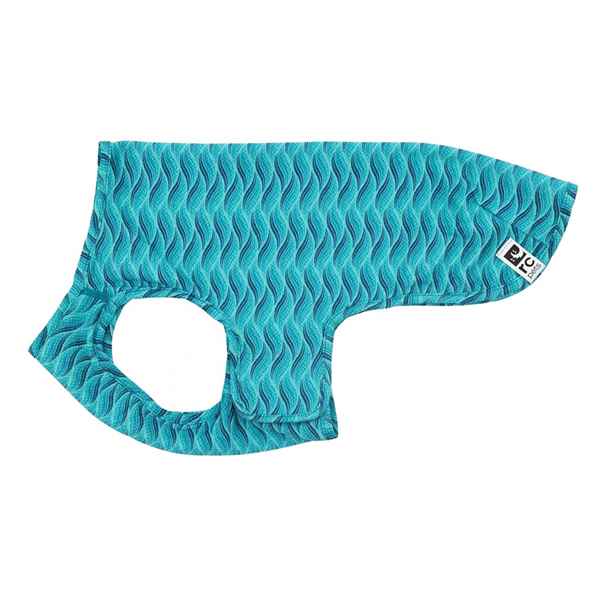
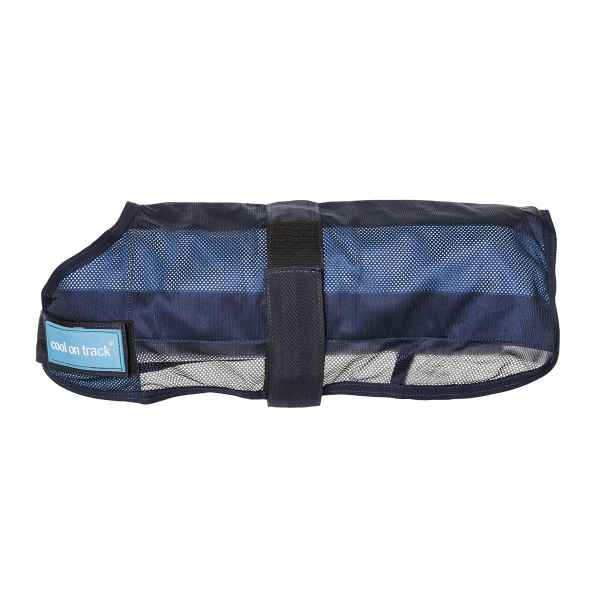
❄️ Have a cooling kit ready: A cooling mat or blanket, access to cool (not cold) water, and a portable water bowl mean you're prepared wherever you are.
🐶 Know your dog's risk level: Flat-faced breeds (bulldogs, pugs, French bulldogs), overweight dogs, and senior dogs are significantly more vulnerable. Their threshold for heat stress is lower than you might expect.
📋 Summer Prep Checklist
✅ At Home:
- Cooling mat in their favourite rest spot
- Fresh water available at all times
- A shaded outdoor area if they spend time outside
- Fan or AC accessible during peak hours
🎯 On the Go:
- Portable water bowl
- Travel cooling mat or damp towel
- Avoid midday outdoor activity
- Never leave in a parked car—even briefly
Takeaway: Your dog can't regulate heat the way you can—and they won't tell you when they're struggling. Building simple summer habits now, before the heat arrives, is the most effective thing you can do for their safety.