
Spring means fresh pasture, longer rides—and parasite season.Deworming guidelines have quietly shifted in the last decade or so,and the new approach is actually a lot more straightforward than the old one.
If you've been giving your horse a dewormer on a regular rotating schedule, that made a lot of sense based on what we knew—and it did a lot of good. The American Association of Equine Practitioners (AAEP) has updated their guidelines to reflect newer research, and the shift is actually good news: the new approach is more targeted and often means less treatment overall, not more.
What We're Actually Aiming For
The goal of a parasite control program is to keep horses healthy and reduce the risk of parasite-related illness—not to eliminate every single worm. All horses on pasture carry some level of parasites; that's just normal. The focus now is on the parasites that actually cause problems, and on making sure the treatments we have continue to work well for years to come.
- Keep horses healthy and reduce the risk of parasite-related illness.
- Preserve the dewormers we have by using them when they're needed most.
Almost all horses on pasture carry small strongyles (cyathostomins)—this is completely normal. Most horses will never show symptoms from them. The focus is on the few parasites that actually cause disease, and on the horses shedding the most eggs onto your pasture.
The Parasites Worth Knowing About
Not all worms are created equal. Here's a plain-language breakdown of the ones your vet will likely discuss:
🐴 Small Strongyles
The most common parasite in horses worldwide. High shedders can contaminate pastures and spread infection through the herd. The primary target of surveillance-based deworming.
🩸 Large Strongyles (Bloodworms)
Once the most dangerous equine parasite—capable of causing life-threatening colic. Decades of treatment have made them rare in the U.S., but stopping treatment entirely could allow them to return.
🔗 Tapeworms
Common in horses on green pastures—roughly 50% prevalence in some regions. Associated with certain types of colic. Require a specific drug to treat effectively; standard dewormers won't work.
🐣 Roundworms (Ascarids)
The top concern in foals and young horses. A heavy roundworm burden can cause intestinal blockage—a surgical emergency. Adults are generally immune, but foals need targeted treatment starting around 2–3 months of age.
The Tool That Changes Everything: Fecal Egg Counts
A fecal egg count (FEC) is a simple test—your vet examines a fresh manure sample under a microscope to count how many parasite eggs your horse is shedding. It takes the guesswork out of deworming.
Here's something that surprises many horse owners: research shows that roughly 20% of horses in any herd produce 80% of the parasite eggs on the pasture. That means most horses in your barn are low shedders who need minimal treatment—while a small number are high shedders who need more attention.
🟢
Low Shedder
Under 200 eggs/gram
1–2 treatments per year
🟡
Moderate Shedder
200–500 eggs/gram
2 treatments per year
🔴
High Shedder
Over 500 eggs/gram
3–4 treatments per year
One important caveat: a fecal egg count cannot tell you if a horse is currently sick from parasites. It also doesn't detect all parasite types—tapeworms and encysted larvae (dormant stages) require different tests. Your vet can guide you on what's appropriate for your situation.
A Word About Dewormer Resistance
Over time, parasites can become harder to kill with the dewormers we rely on. This has already happened with two of the three main drug classes in many parts of Canada. It doesn't mean those products are useless—it just means it's worth checking in periodically to make sure they're still doing the job on your property.
The easiest way to do that is with a Fecal Egg Count Reduction Test (FECRT): collect a manure sample before deworming, treat your horse, then collect again 14 days later. If egg counts haven't dropped significantly, your vet can help you figure out the best path forward. It's a simple check that takes a lot of the guesswork out of product selection.
Two small shifts that can help:
- Basing treatment timing on egg counts rather than a fixed calendar date.
- Choosing which drug to use based on what's working on your property, rather than automatically rotating.
A Simple Spring Starting Point
Not sure where to begin? Here's a straightforward approach for the season ahead:
- Consider fecal egg counts this spring. A quick manure test for each horse tells you who's a high shedder and might benefit from more frequent treatment—and who's doing just fine with less.
- Time treatments to the grazing season. In most of BC, parasites are most actively transmitted through the warmer months. Treating during this window has the most impact on keeping pastures clean.
- Include tapeworm coverage once a year. If your horses graze on pasture, a product containing praziquantel is a good idea—typically given in late fall after the grazing season winds down.
- For foals, timing matters. Young horses are most vulnerable to roundworms. A benzimidazole-class dewormer around 2–3 months and again at 5 months is the current recommendation—your vet can walk you through the specifics.
- Pasture management helps too. Regular manure removal reduces the number of larvae on the ground. If you compost, keeping it hot (above 40°C for at least a week) takes care of most eggs. Spreading fresh manure on horse pastures is the one thing worth avoiding.
Takeaway: A little information goes a long way with parasite control. Knowing which horses to treat, when to treat, and whether your products are working makes the whole thing simpler—and keeps your horses healthier in the long run.
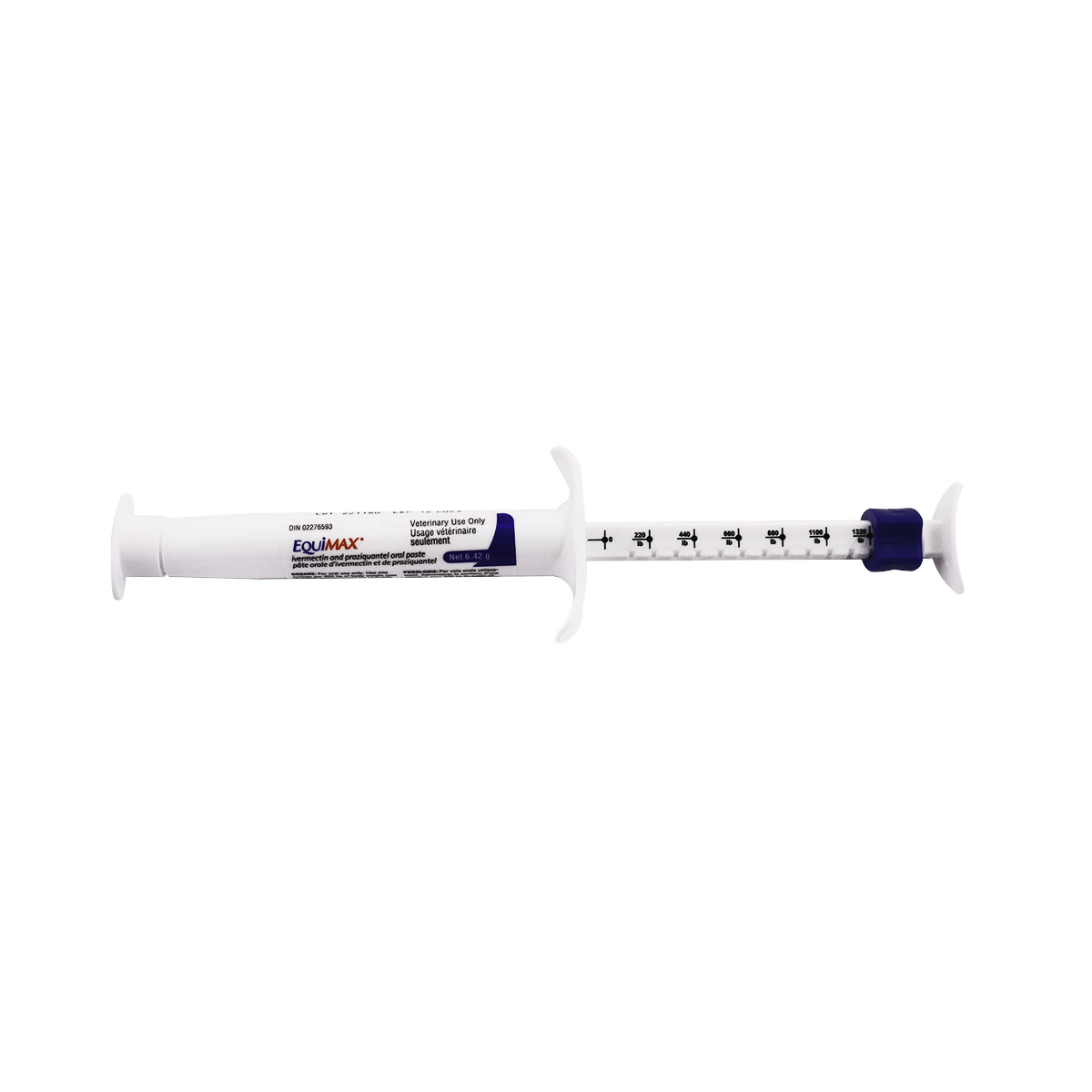
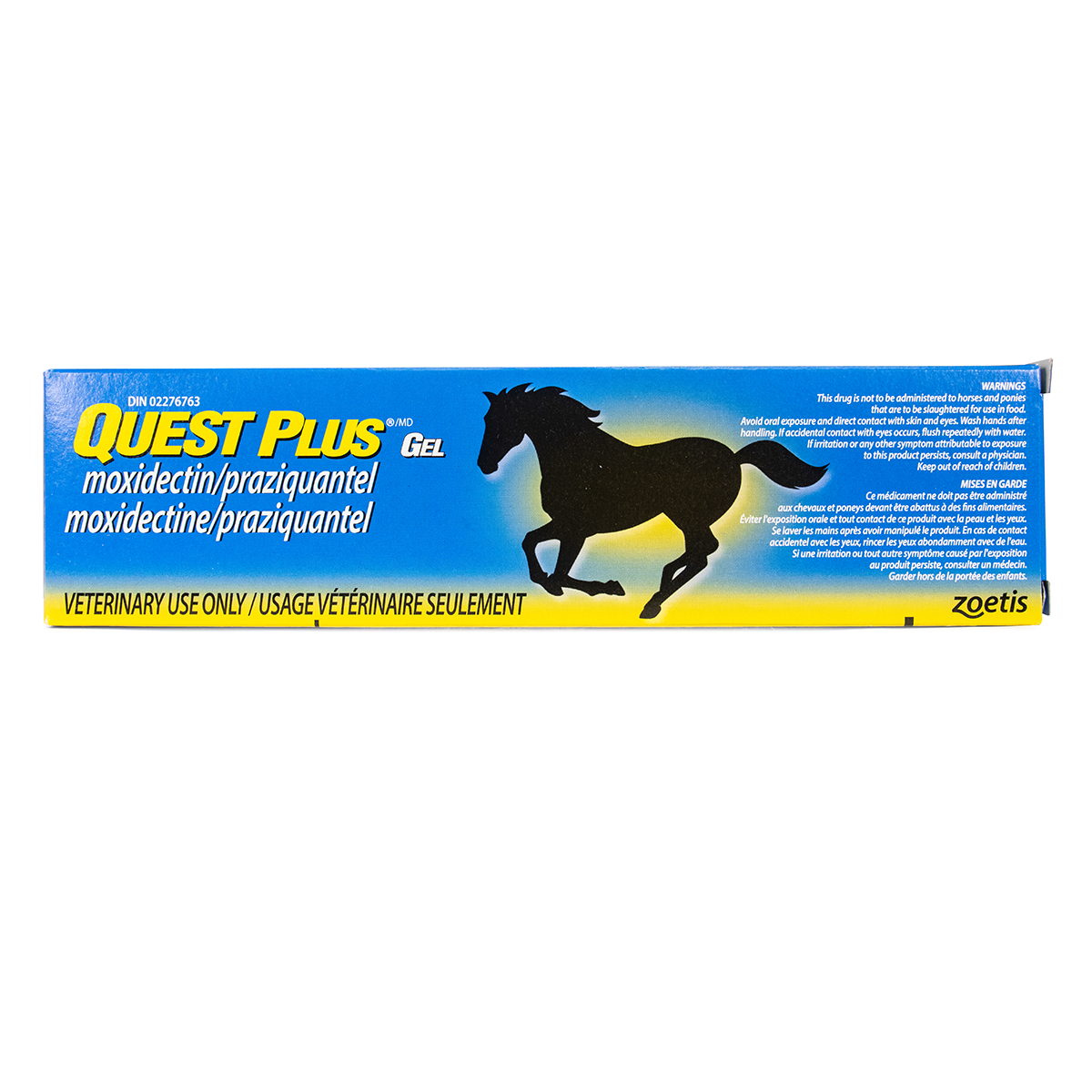
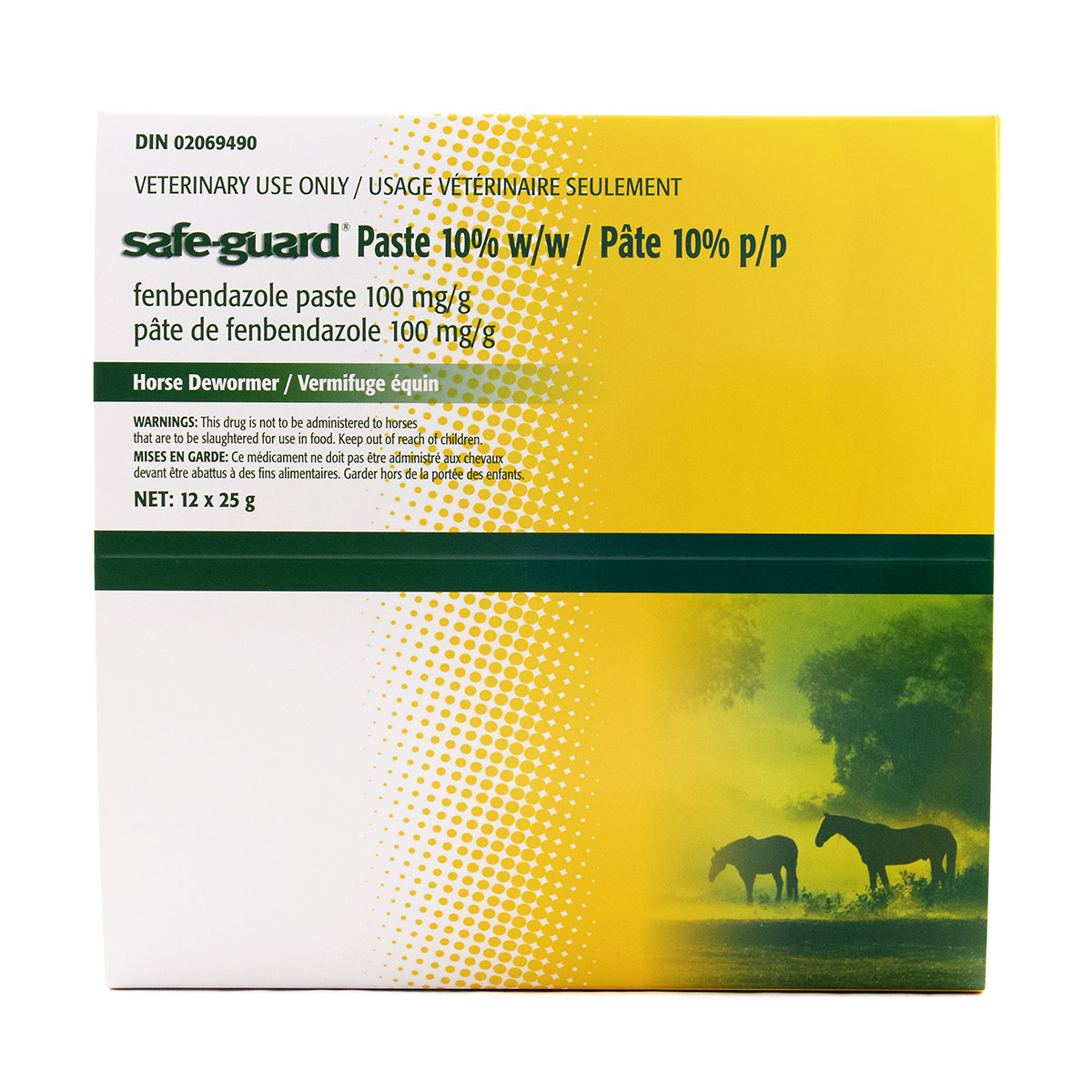
Questions about your horse's parasite program? Give us a call—we're happy to help you build a plan that works for your herd.