

The December Hibernation Mystery: Understanding Torpor in Pet Hedgehogs
You might notice your hedgehog acting unusually lethargic as the weather gets colder, or wonder why they seem less responsive than usual on chilly mornings. Many hedgehog owners face these puzzling moments, especially during December when indoor temperatures naturally fluctuate. Here's something that surprises most new hedgehog parents: African Pygmy Hedgehogs are incredibly sensitive to temperature—and understanding this can help you keep your little friend healthy and happy all winter long.
💡 Good to Know: Hedgehog Temperature Basics
🌡️ The Comfort Zone: African Pygmy Hedgehogs thrive between 74-78°F (23-26°C). Below 72°F, they can enter a state called torpor—a survival mechanism that isn't actually safe for pet hedgehogs.
🦔 Why It Matters: Unlike their wild European cousins, African Pygmy Hedgehogs didn't evolve to hibernate. Torpor is their body's attempt at hibernation, but they lack the physiology to do it safely.
⏰ It Happens Faster Than You'd Think: Temperature-related stress can begin within a few hours of exposure to cooler conditions, especially overnight.
✅ The Good News: Torpor is completely preventable with the right setup, and most hedgehog owners successfully maintain safe temperatures once they know what to look for.
What Is Torpor?
Torpor is essentially your hedgehog's body trying to conserve energy when it gets too cold. Their metabolism slows down dramatically, which sounds like it might be helpful—but for African Pygmy Hedgehogs, it's actually dangerous because:
- Their body isn't designed for it: Unlike true hibernators, their organs and systems can't safely handle the extreme slowdown
- They can't easily wake themselves: Once in deep torpor, they need help warming up gradually and safely
- It causes stress: Even if caught early, the experience is hard on their little bodies
The confusing part? Torpor can look like your hedgehog is just sleeping deeply or feeling under the weather, which is why it catches so many caring owners off guard.
Why December Can Be Tricky
December creates some unique challenges that even experienced hedgehog parents might not anticipate:
🏠 Temperature Fluctuations: Many of us adjust our thermostats to manage heating costs or stay comfortable under blankets. What feels cozy to us at 68-70°F can be risky for hedgehogs.
✈️ Holiday Travel: When homes are empty for a few days, it's common to lower the heat—something that's perfectly reasonable for most pets but can be problematic for temperature-sensitive hedgehogs.
🌙 Overnight Cold Spots: Even if your home feels warm during the day, areas near windows or exterior walls can get surprisingly cold at night.
What to Watch For
Catching temperature-related stress early makes all the difference. Here's what changes you might notice:
🚨 More Urgent Signs
- Feels cool or cold to the touch
- Unusually difficult to wake or unball
- Breathing seems very slow
- Not responding to gentle handling
If you notice these signs, warm your hedgehog gently (body heat works well) and contact your vet.
⚠️ Early Warning Signs
- Less active than usual
- Not interested in favorite foods
- Staying curled up longer than normal
- Feeling cooler than usual (but not cold)
These signs mean it's time to check your thermometer and adjust your setup.
If Your Hedgehog Gets Too Cold
Simple Steps to Help
Warm them gently: Hold them against your body (skin-to-skin contact under your shirt works well). Avoid heating pads or hot water bottles as these can warm too quickly.
Take your time: Gradual warming is key—rushing can cause shock.
Call your vet: Even if your hedgehog seems to recover, a quick check-in with your exotic vet is a good idea.
Offer food and water: Once they're alert, provide their favorites to help them recover.
Monitor closely: Keep an eye on them for the next day or two to make sure they're back to normal.
Creating a Cozy Winter Setup
The good news? Keeping your hedgehog comfortable through winter is straightforward once you have the right tools. Most hedgehog owners find that a simple setup handles everything:
🌡️ Temperature Monitoring
A digital thermometer with min/max memory helps you track overnight temperatures. Place it at your hedgehog's level (not up high where it's warmer) to get accurate readings.
🔥 Consistent Heat Source
A ceramic heat emitter (CHE) with a thermostat provides steady, safe warmth without light that might disrupt their sleep. It automatically maintains the temperature you set.
📋 Winter Setup Checklist
✅ The Basics:
- Digital thermometer (with memory feature is helpful)
- Ceramic heat emitter with thermostat
- Backup heat source (just in case)
- Draft protection if near windows
🎯 Simple Habits:
- Check thermometer daily
- Feel your hedgehog when you handle them—they should feel warm
- Keep habitat away from drafty areas
- Have a pet-sitter check temperatures if you travel
What Vets Want You to Know
💬 From the Experts: "Most hedgehog temperature issues happen simply because owners don't realize how sensitive these little ones are to cold. Once you understand their needs and have a basic setup, keeping them comfortable becomes second nature. The investment in proper heating equipment pays for itself in peace of mind—and it lasts for years."
Join the Conversation 🦔
Share your winter hedgehog care tips with other hedgehog parents using #HedgehogWinterCare
Your experience might help another hedgehog owner!
The Bottom Line: African Pygmy Hedgehogs need warmer temperatures than most people realize—but once you understand their needs, keeping them comfortable is straightforward. A simple setup with consistent heating and temperature monitoring helps your hedgehog thrive through winter and gives you confidence that they're safe and happy.
Winter Heating Solutions for Hedgehogs
Veterinarian-recommended equipment to help maintain safe, consistent temperatures.
🌟 Popular Heating Solutions 🌟
Trusted by hedgehog owners for reliable temperature control
 Ceramic Heat Emitter (150W)For: Consistent warmth without light Shop Now | 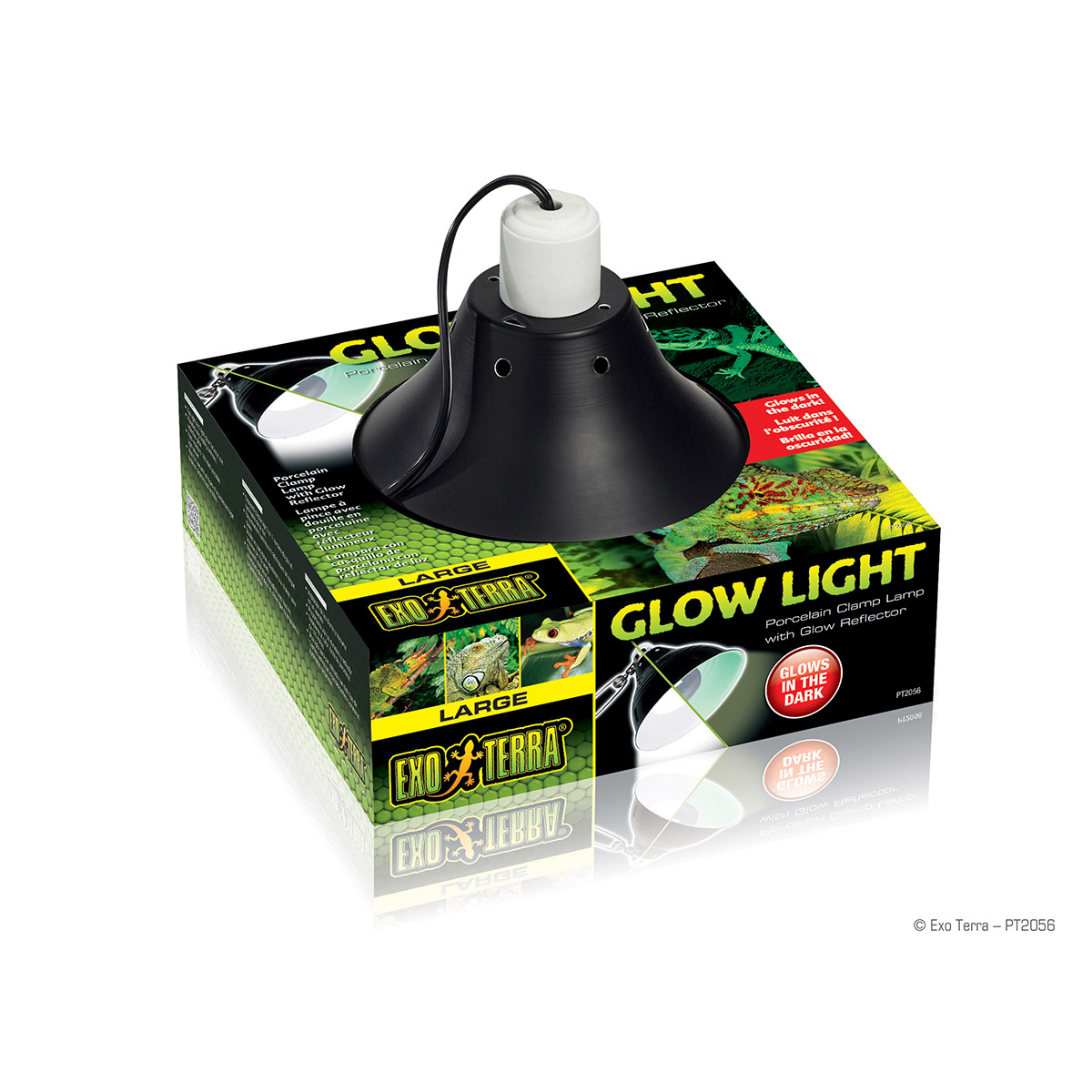 Glow Light Heat LampFor: Heat and Moon Light Shop Now |  Digital Thermometer w/ MemoryFor: Monitoring daily temperature range Shop Now |  Under-Cage Heating PadFor: Supplemental warmth Shop Now |