
Cat Care
Suddenly pacing by the food bowl, meowing earlier for dinner? Shortening daylight — not the weather — is the trigger, and it happens on a schedule you can plan around.
3 min readEven cats who have never set a paw outdoors respond to shortening daylight (photoperiod), not temperature. It's an old instinct to build fat reserves before winter, wired into their biology rather than triggered by actually experiencing cold. A strictly indoor cat feels it just as much as an outdoor one.
Because it arrives on the same calendar window every year, it's one of the easier seasonal shifts to plan for.
Why this catches owners off guard
Wild cats burn off those extra calories hunting through winter. Indoor cats usually don't — so the instinct to eat more can quietly turn into fall weight gain if you're not ready with a plan. Most people don't notice the shift until the extra begging has already turned into extra weight.
Have this ready before the begging starts
Set up consistent, measured meals now, before the instinct to overeat kicks in, so it's already a habit rather than a mid-season correction.
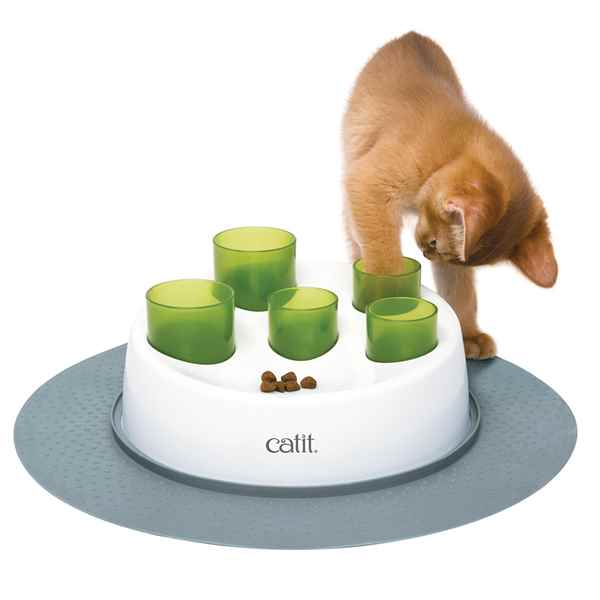
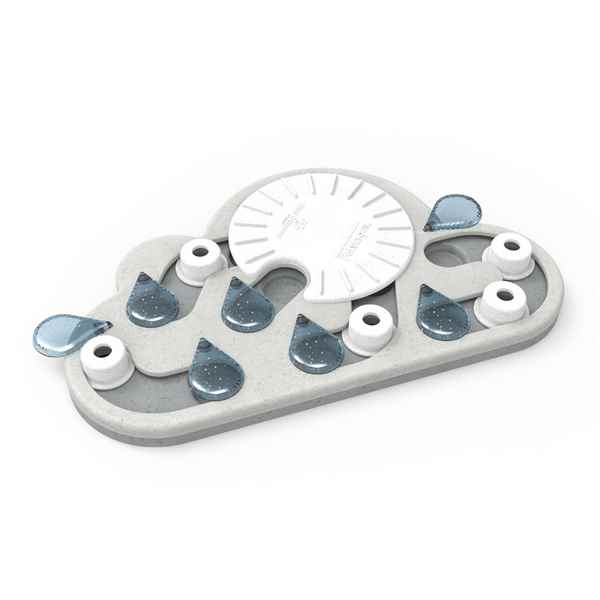
Having a slow feeder or puzzle bowl ready means you can redirect that "hunting" instinct the moment the extra begging starts, without reaching for more food.
Fall appetite checklist
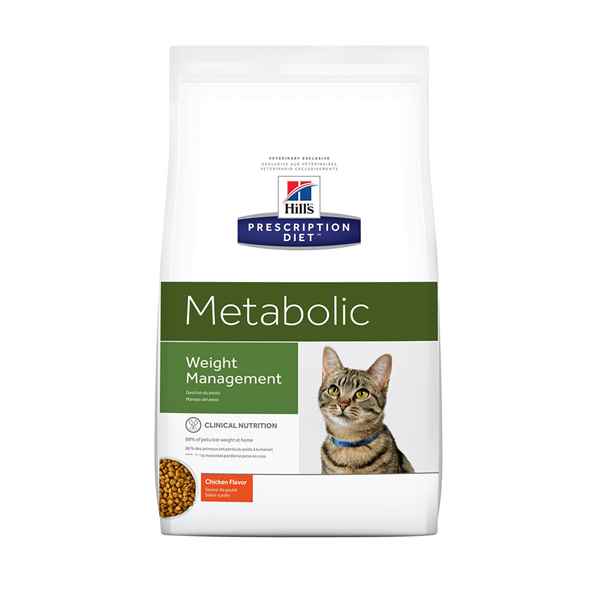
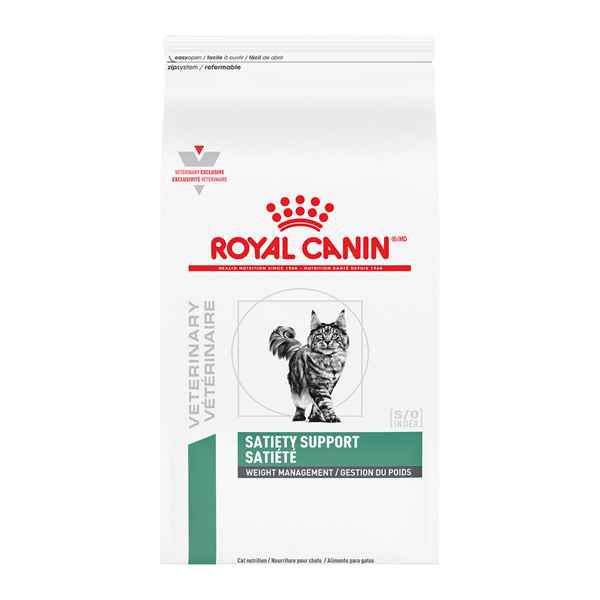
- ✓ Weight-conscious diet already in the cupboard
- ✓ Puzzle or slow feeder ready to go
- ✓ Low-calorie treats for extra attention-seeking
- ✓ Metabolic support supplement if your cat runs food-motivated
Your cat isn't being dramatic at the food bowl this time of year — they're responding to a seasonal cue that's been part of their biology for thousands of years. Having the right food and feeders on hand before the surge starts keeps that instinct from turning into extra pounds by winter.
More in the Fall Prep Series
This article is general guidance and doesn't replace advice from your veterinarian. If your cat's weight or appetite changes suddenly or dramatically, check in with your vet.