
Small Pet Care
As temperatures cool, most owners watch the food bowl — but for rabbits and guinea pigs, the bigger change happens at the water bottle.
3 min readRabbits and guinea pigs naturally drink less as the weather cools, even indoors. Because it's such a gradual shift, having the right supplies already on hand makes it far easier to catch than reacting once digestion has already slowed.
Their fiber-heavy digestion depends entirely on hydration to keep moving — which makes a quiet drop in drinking worth watching closely.
Hydration and gut motility
- Less thirst, same fiber needs. Cooler weather naturally reduces drinking in small mammals, but their high-fiber diet still requires plenty of water to keep moving through the gut.
- A sensitive system. Rabbits and guinea pigs rely on constant gut motility — slower hydration can mean slower digestion, which is where GI stasis risk begins.
- Fresh produce drops too. As garden greens and fresh produce become less available in fall, water intake from food naturally drops as well — compounding the effect.
Have this on hand before the weather turns
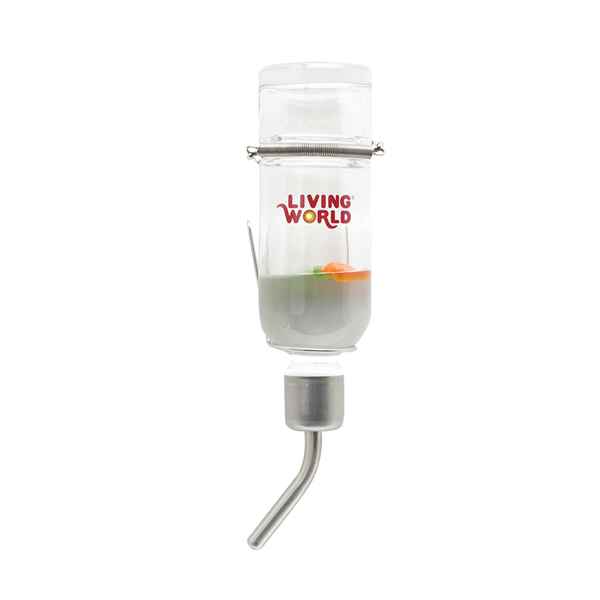
Mark the water bottle or bowl level daily starting now, so a gradual drop in drinking doesn't go unnoticed once cooler weather sets in.
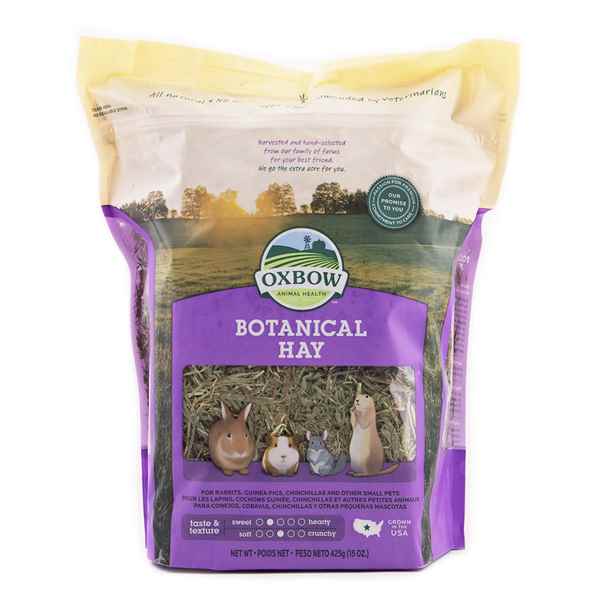
Keep a backup supply of good-quality hay on hand — unlimited access is the single biggest driver of healthy gut motility, and running low is the last thing you want mid-season.
Fall hydration checklist
- ✓ Backup supply of fresh, high-fiber hay
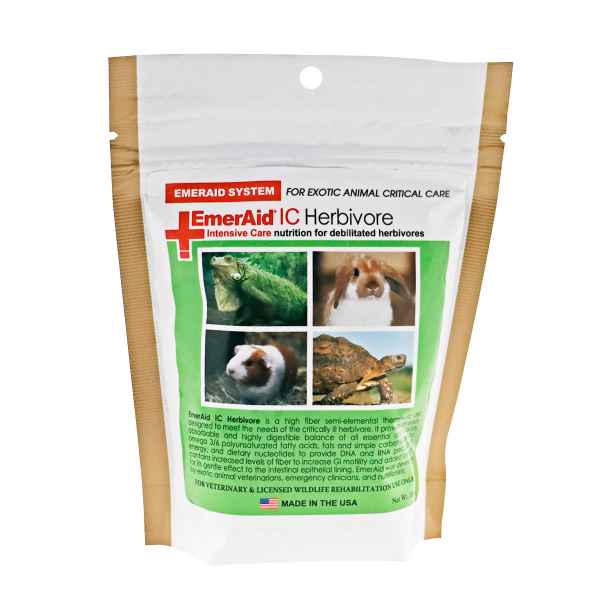
- ✓ GI motility support chews on hand, just in case
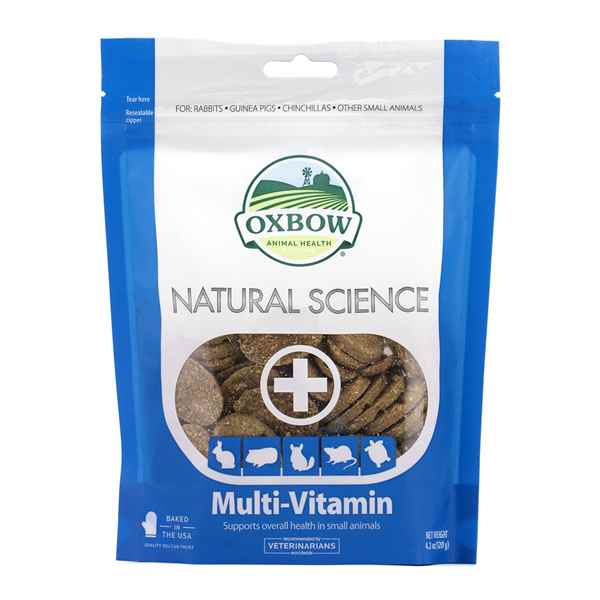
- ✓ Guinea pig vitamin C supplement (produce access drops in fall)
- ✓ Hydration/electrolyte support ready for low-intake days
Fall's drop in water intake is subtle, but for animals whose digestion depends on constant hydration and fiber, subtle is exactly what makes it worth preparing for. Having hay, hydration support, and motility support already on hand keeps things moving smoothly through the season.
This article is general guidance and doesn't replace advice from your veterinarian. If your rabbit or guinea pig stops eating or producing droppings for more than 12 hours, contact your vet right away — GI stasis can become serious quickly.