
Horse Care
Most owners relax about pasture once spring's grass flush is over. But fall pasture can be just as risky — and the window to prepare is shorter than you'd think.
4 min readIn this article
Cool nights combined with sunny days — the exact weather pattern of September and October — cause grass to store more sugar (fructan) than it does during summer. Grass photosynthesizes sugar during the day but can't use it all up when nighttime temperatures drop below about 40°F (4°C), so the sugar builds up in the blades.
Because that first cold snap can arrive with little warning, having your grazing management in place ahead of time matters more than reacting once you notice a problem.
Why fall sneaks up on owners
- It looks deceptively safe. Fall pasture often looks lush and green, not the thin, stressed grass owners associate with high-sugar risk.
- The timing is specific. Fructan tends to peak in grass during mid-to-late morning, after a cool night and before the plant uses up the stored sugar later in the day.
- Metabolically sensitive horses are most at risk. Horses and ponies with insulin resistance, Cushing's (PPID), or a history of laminitis are especially vulnerable to fall grazing.
Have your grazing plan ready before the first cold night
You don't need to eliminate turnout — just be smarter about timing. Turning horses out later in the morning or in the afternoon, after sugar levels have had time to drop from their overnight peak, is one of the simplest adjustments and costs nothing.
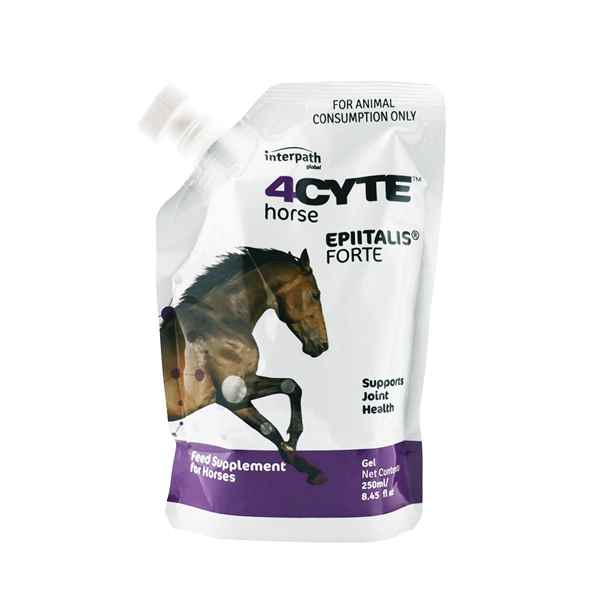
Supporting gut health year-round also matters, and it works best when it's already underway rather than started after a scare. A horse with steady digestive function handles seasonal sugar swings far better than one whose gut is already under strain.
Fall turnout checklist
- ✓ Turnout scheduled later in the day, after sugar levels drop
- ✓ Digestive/gut support supplement, ideally already underway
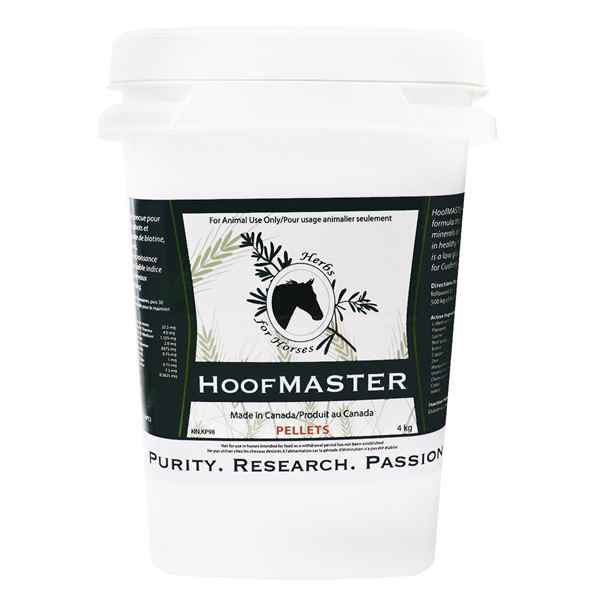
- ✓ Hoof hardener on hand for at-risk horses
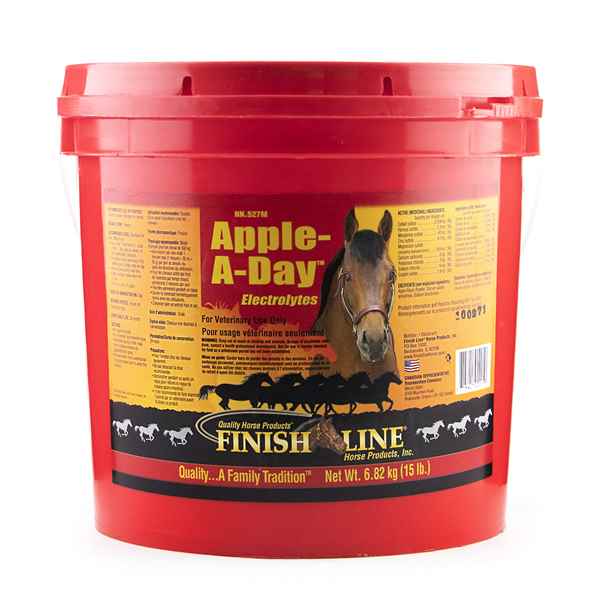
- ✓ Electrolyte support on hand as routines shift
Think of fall grazing prep the way you'd think of spring — just with less obvious warning signs. The grass doesn't need to look different for the risk to be real, which is exactly why having supplies on hand ahead of time matters.
More in the Fall Prep Series
This article is general guidance and doesn't replace advice from your veterinarian or equine nutritionist. If you suspect your horse is showing signs of laminitis, contact your vet right away.